Nature’s Super Scientists! Exploring entomology and animal behavior with the Scientific Method
About Course
Age Group: 8–11 years old
Come with me and discover the great big world of bugs, together! We will answer questions and watch a quick video of some of our favorite, and maybe new, creatures that can be found in nature together!
Goal: To observe, question, and investigate the wild world right in their own backyards.
The Secret Life of Bugs (Entomology)
Objective: Learn how insects communicate and survive.
The Wonder: Did you know ants have “super-senses” and can lift objects (20) times their own body weight?
- Scientific Method Step: Observation & Questioning
- At Home: Field Mission: Go on a “Micro-Safari.” Find a (1) square foot patch of grass or dirt and observe it for (10) minutes.
- Your Question: Pick one bug you see and ask a question (e.g., How fast does a roly-poly walk? or What colors do ants like best?
The Language of Wildlife (Animal Behavior)
Objective: Understand how animals talk to each other without words.
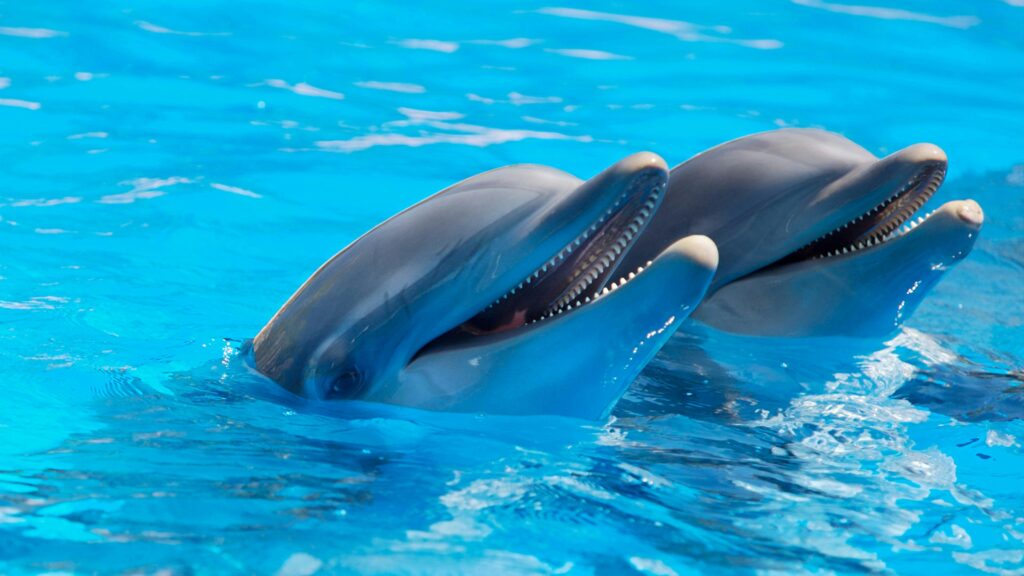
- The Wonder: Dolphins have names for each other, and prairie dogs have complex languages to warn their families about specific predators
- Scientific Method Step: Forming a Hypothesis
- At Home Field Mission: Observe birds or squirrels in your local park or neighborhood.
- Your Hypothesis: Guess what an animal is doing based on its actions. (e.g., If a squirrel flicks its tail and makes a loud chirping sound, I predict it is warning its friends about a cat.)
Course Content
Bugs and animal behavior course
Bugs and animal behavior course video
00:00