Our Classical Homeschool Approach
You already know your child is capable of more than filling in blanks and moving on.
At GCE, we believe education should do something — shape how a student thinks, questions, and communicates. Our approach is rooted in the classical Trivium, a time-tested framework that meets your child where they are developmentally and walks with them toward confident, independent thought.
It’s rigorous. It’s discussion-based. And it’s designed to fit your family’s life.
The Trivium as a Developmental Framework
Our classical homeschool curriculum is built on the historic framework of the Trivium—a three-part model of learning that aligns with how students naturally develop. Rather than dividing education into disconnected grade-level checklists, a classical model progresses through stages:
Knowledge Acquisition
Students build a strong foundation of facts, language, and core concepts that form the groundwork for deeper study.
Logical Reasoning
Students learn to analyze ideas, recognize patterns, and think through questions carefully as they begin engaging more deeply with texts and discussions.
Articulate Expression
Students refine their ability to communicate ideas clearly and persuasively through writing and discussion.
Integrated Learning Across Subjects
In a true classical education program, subjects are integrated across history, literature, writing, and philosophy. Students do not simply memorize information—they learn how to think with it. This developmental structure is what makes classical education both rigorous and enduring.
New to classical education?
You might appreciate our blog post on What is Classical Education?
The Three Stages of Classical Education
01
Grammar Stage
(Elementary)
Young learners are naturally receptive to memorization and patterns. Grammar I, II & III prioritize academic building blocks including:
- Reading and narration
- History timelines and geography
- Foundational science
- Latin roots
- Foundational research
Designed for ages 8-11, the grammar stage lays the groundwork for confident and independent thinking.
02
Dialectic Stage
(Middle School)
As students begin asking “why,” we teach them how to think clearly and analytically. Through Dialectic I & II, our students ages 12-13 develop:
- Formal logic skills
- Analytical writing
- Scientific reasoning
- Historical cause and effect
- Structured discussion and debate
This stage transforms curiosity into disciplined reasoning.
03
Rhetoric Stage
(High School)
The Rhetoric Stage prioritizes articulate expression and intellectual maturity. Developed for students ages 14-18, Rhetorical I, II, III & IV focuses on:
- Thesis-driven essays
- Research skills
- Persuasive communication
- Socratic discussion
- Advanced literature analysis
By graduation, students are prepared not just to pass exams—but to confidently defend their ideas in college and beyond.
Depth Over Acceleration
We prioritize mastery and intellectual depth rather than rushing students through material. Progression is intentional, allowing concepts to build logically over time rather than relying on surface-level exposure.
Discussion as a Central Practice
Classical education is not silent consumption. It is sharpened through discussion. Our mentors guide students in thoughtful dialogue that strengthens reasoning, articulation, and confidence.
Guided Independence
We believe structure supports independence. By providing a clear academic framework and defined expectations, students gradually assume responsibility for their own learning.
Education for Life
Our aim is to shape students who are not easily swayed, but grounded in knowledge, disciplined in thought, and confident in expression.
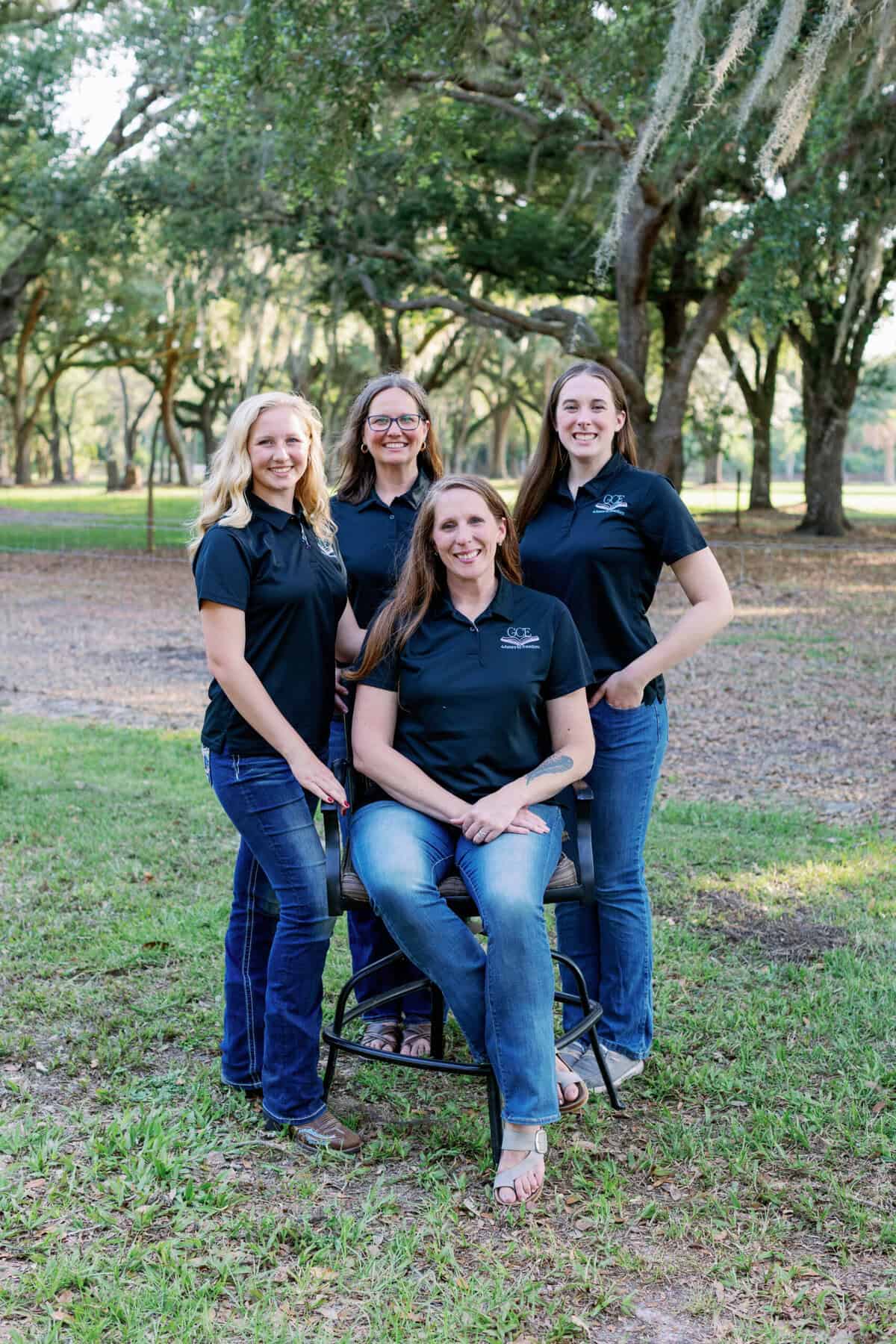
The Educators Behind the Approach
Our classical homeschool program is guided by experienced educators and homeschooling mothers committed to thoughtful academic formation.
Learn more about the team behind Get Classically Educated and the experience that shapes our work.
New to all of this? Start with Classical Education Explained for the plain-language version, or read Your Afternoons Back to see how a four-hour week works.
Explore the Program in More Detail
Families are welcome to preview a sample curriculum week, explore programs, or schedule a consultation.