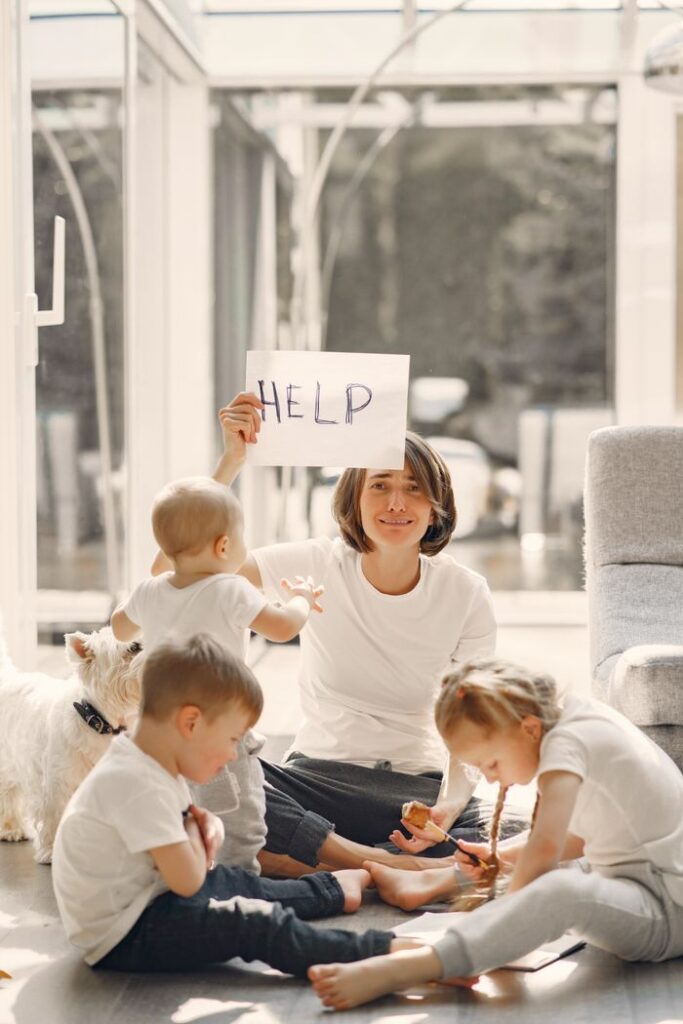
Every homeschool mom knows the feeling. August was full of fresh notebooks and big plans. September went pretty well. Then October arrives, and suddenly everyone is cranky, the math book is lost under the couch, and you are wondering why you ever thought this was a good idea. That heavy, stuck feeling has a name: homeschool burnout. And if you are feeling it right now, I want you to hear this first. You are not failing. You are simply tired, and tired can be fixed.
I have been there more than once. The good news is that homeschool burnout in the fall is so common that veteran moms have a nickname for it: the October slump. Here are nine practical ways to climb out of it and fall back in love with learning at home.
What Homeschool Burnout Really Looks Like
Homeschool burnout does not always look like tears at the kitchen table, although sometimes it does. More often, it shows up quietly:
- You dread starting school in the morning.
- Your kids push back on every assignment.
- You spend your evenings planning and still feel behind.
- Your school day keeps stretching longer and longer.
- You are comparing your homeschool to everyone else’s on social media.
- You have stopped enjoying the parts you used to love.
If you checked two or more of those, keep reading. None of them mean you should quit. They mean something needs to change.
Why Homeschool Burnout Hits Hardest in the Fall
By October, the novelty of a new school year has worn off, but the finish line is still a long way away. Days are getting shorter. Holidays are coming, and with them, extra commitments. Here in Florida, we are still waiting for real fall weather, so the kids have cabin fever from months of heat. Families up north are losing daylight fast. Either way, energy drops just as the workload picks up.
Homeschool burnout also tends to hit families who started the year trying to do too much. That ambitious plan you made in July may simply be more than one mom can carry.
9 Ways to Beat Homeschool Burnout This Fall
1. Take a Real Break, on Purpose
Sometimes the best fix for homeschool burnout is a planned pause. Take a week off. Go to the library, bake, visit a park, or just rest. One of the great freedoms of homeschooling is that you set the calendar. A short break now can save your whole spring semester.
2. Cut Your School Day Down
A long, grinding day is one of the biggest causes of homeschool burnout. Most families do not realize how much time is lost to transitions, busywork, and repeated review. We broke down six common reasons a homeschool day takes seven hours and how to cut it to four. You may be surprised how much lighter everyone feels.
3. Stop Planning Every Lesson Yourself
Lesson planning is invisible work, and it adds up. If you spend Sunday nights building the week’s schedule, that is a real source of exhaustion. Consider using a program that hands you the plan. At Get Classically Educated, The Agenda lays out every assignment for every week, so there is no daily lesson planning for mom.
4. Bring in Another Teacher
You do not have to be the only voice your child hears. When a mentor leads discussion and holds your child accountable, you get to go back to being mom. That shift alone can ease homeschool burnout for both of you. Take a look inside a live online classical class to see how our mentors lead students through real conversation, about four hours a week.
5. Trade Worksheets for Discussion
Worksheets are easy to grade and easy to hate. Classical education leans on reading great books and talking about them. Instead of another page of questions, ask your child, “What did you think about that character’s choice?” You will learn more about what they understand in five minutes of conversation than in twenty minutes of fill-in-the-blanks. We explain why in Why Classical Education Produces Thinkers, Not Test-Takers.
6. Get Outside
Fresh air resets everybody. Move a read-aloud to the back porch, start a nature journal, or take your science lesson to the park. Our list of fall homeschool activities is full of simple ideas that feel like a break but still count as school.
7. Find Your People
Homeschool burnout grows in isolation. Reach out to another homeschool mom for coffee, join a co-op, or connect through your church. Many states have strong homeschool support groups, and HSLDA’s state pages are a helpful starting point for finding local resources. Whether you are near Tampa, Orlando, Jacksonville, or in a small town anywhere in the country, you are not the only mom feeling this way.
8. Remember Your Why
Pull out a piece of paper and write down why you chose to homeschool. Maybe it was faith. Maybe it was freedom. Maybe it was wanting your kids to love learning again. Tape it to the fridge. When the hard days come, that list reminds you that this is worth it.
9. Rest in God’s Grace
As Christian parents, we are not called to be perfect teachers. We are called to be faithful. Galatians 6:9 encourages us not to grow weary in doing good, because in due season we will reap if we do not give up. Your faithfulness on the ordinary Tuesdays matters more than any perfect lesson plan.
When Homeschool Burnout Means It Is Time for a Change
Sometimes homeschool burnout is a sign that your current setup simply is not sustainable. That does not mean you need to put your kids back in school. It may just mean you need more support.
Many families come to Get Classically Educated in the middle of the year for exactly this reason. They love homeschooling, but they are worn out from carrying all of it alone. Our program offers:
- Live, mentor-led classes in small groups, so your child has a real mentor and classmates.
- A complete weekly agenda so you never have to plan from scratch.
- A shorter school day. Many Grammar stage students finish in one to two focused hours, and even high schoolers cap around four. See what a 4-hour homeschool day looks like.
- A Christian, classical foundation for ages 8 to 18 through our Grammar, Dialectic, and Rhetoric programs.
And yes, you can still join this year. Students step right into the current week, and we rush books so they arrive in time for the next class. If you are thinking about a bigger change, our guide on how to start homeschooling mid-year walks you through it step by step.
Frequently Asked Questions
How long does it take to recover from feeling burned out?
For most families, a real change in rhythm makes a difference within two or three weeks. A short break helps right away, but the lasting relief usually comes from fixing what caused the exhaustion in the first place: a schedule that is too long, too much planning, or carrying every subject alone. Give yourself grace while you adjust. You did not get tired overnight, and you will not be fully rested overnight either.
Is it normal for kids to feel burned out too?
Yes, and it often looks different in children than in adults. Younger kids may melt down over small tasks or suddenly “forget” things they knew last month. Teens may withdraw, procrastinate, or say everything is boring. Pay attention to sleep, outdoor time, and how many hours they are spending at a desk. Often the same changes that help mom, like a shorter day and more discussion, help the kids just as much.
Should I switch curriculum in the middle of the year?
Sometimes, yes. If a curriculum is causing daily tears, it is not serving your family, no matter how much you paid for it. Before you switch, though, ask whether the problem is the material itself or the way your days are structured. If it is the material, look for something with clear weekly expectations so you are not starting from scratch. Our free sample week lets you see exactly what a GCE week looks like before you decide.
Does taking a break mean we will fall behind?
No. One of the great gifts of homeschooling is flexibility. Many families school year round with breaks built in whenever they need them. A week of rest in October can make November and December far more productive. If you follow a set calendar and are worried about hours, most states care about the full year, not any single week. You can double check your state’s rules with the HSLDA homeschool law map.
What if I feel like I am the only one struggling?
You are not. Nearly every veteran homeschool mom has a story about the fall she almost quit. Social media shows the highlight reel, not the Tuesday afternoon when nobody could find a pencil. Talk honestly with another mom, and you will almost always hear, “Me too.” That simple connection is one of the best cures there is.
You Can Love Homeschooling Again
Homeschool burnout is real, but it is not the end of the story. With a little rest, a lighter schedule, and the right support, October can turn into your family’s best season yet.
We are based in Bushnell, Florida, and we serve homeschool families all across the United States. If you would like a little help carrying the load, try a free week of live classes, download a free sample week, or book a free discovery call. No pressure, just a real conversation about your family.
Free Resource
See What a Week Inside GCE Looks Like
Download a free Sample Week and see exactly what your child's week would look like inside Get Classically Educated.