Grammar 3 (Ages 11+) — Honors Scholar (Agenda + Live + Scholars Table)
About Course
See our 2026–2027 Academic Calendar for all important dates.
Grammar 3 Books & Materials
Everything your student uses this year — designed for ages 11+, built on trusted classical curriculum.
Look for the badge on each book — we cover some, you provide others.
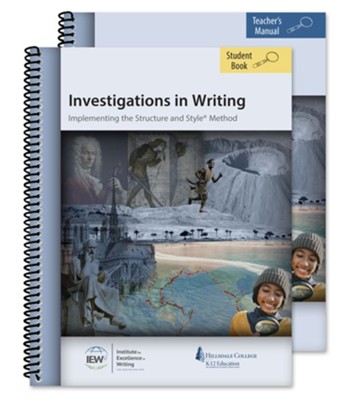
Investigations in Writing
ISBN 978-1623414177
Family provides
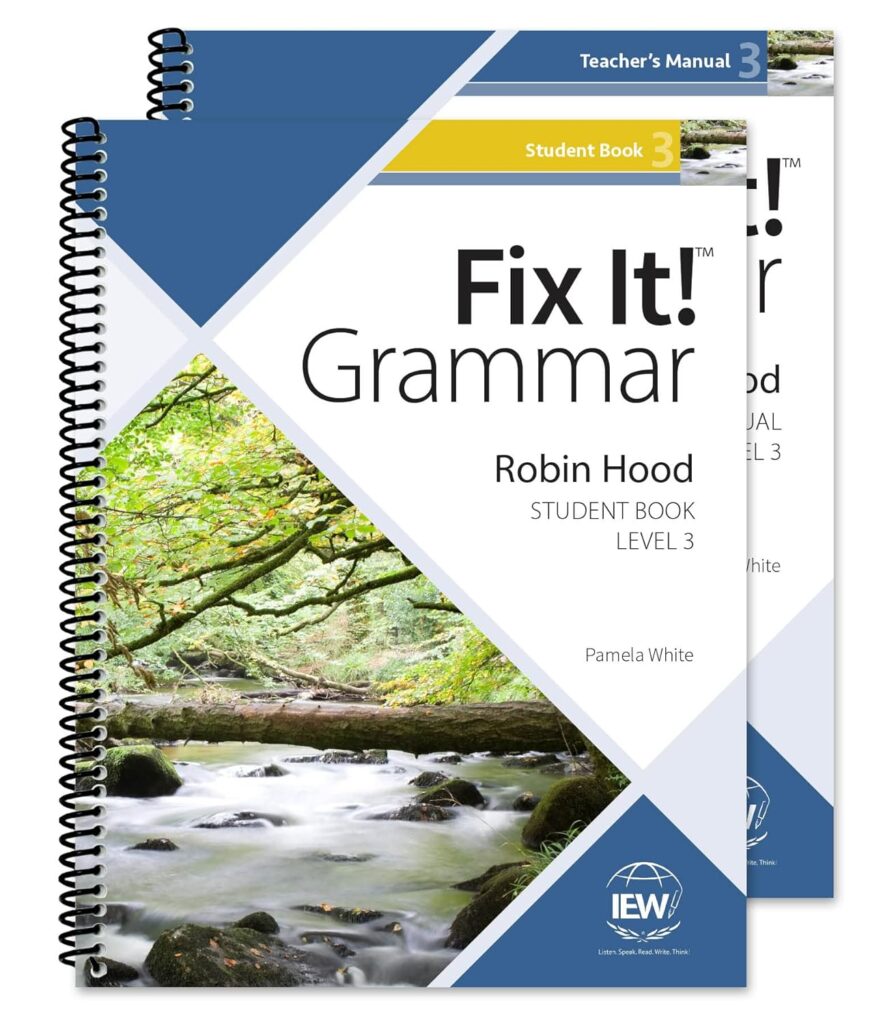
Fix It! Grammar — Robin Hood
ISBN 978-1623413774
Optional
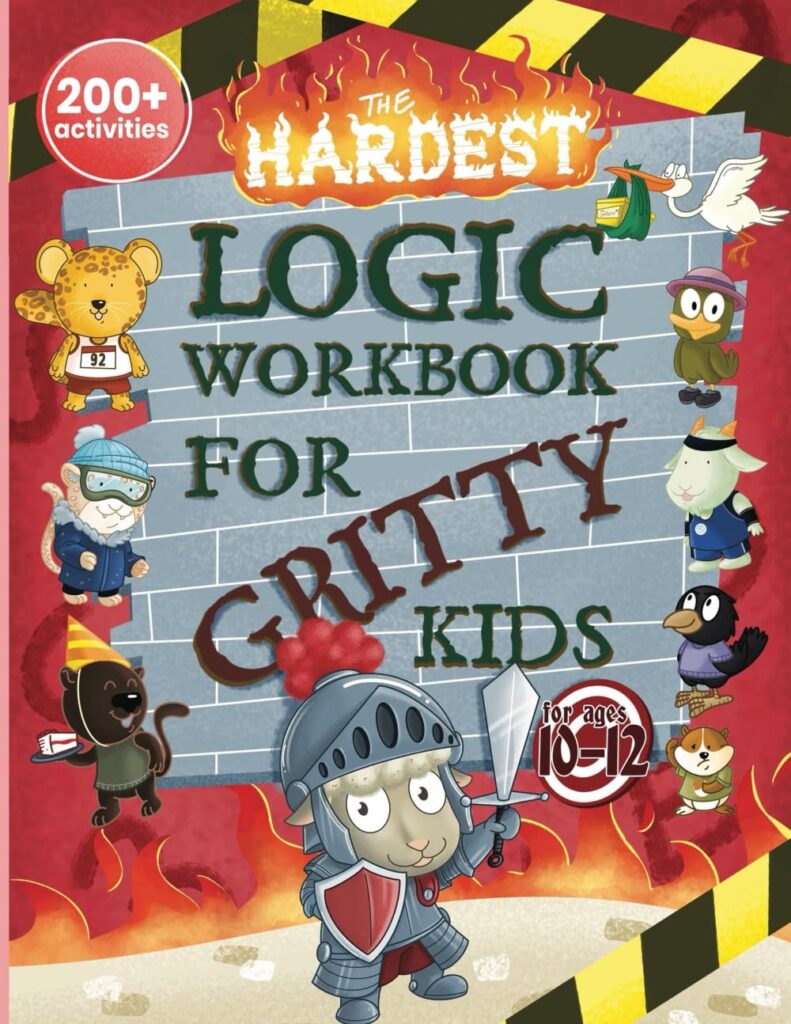
Hardest Logic Workbook for Gritty Kids
ISBN 979-8989830114
Optional
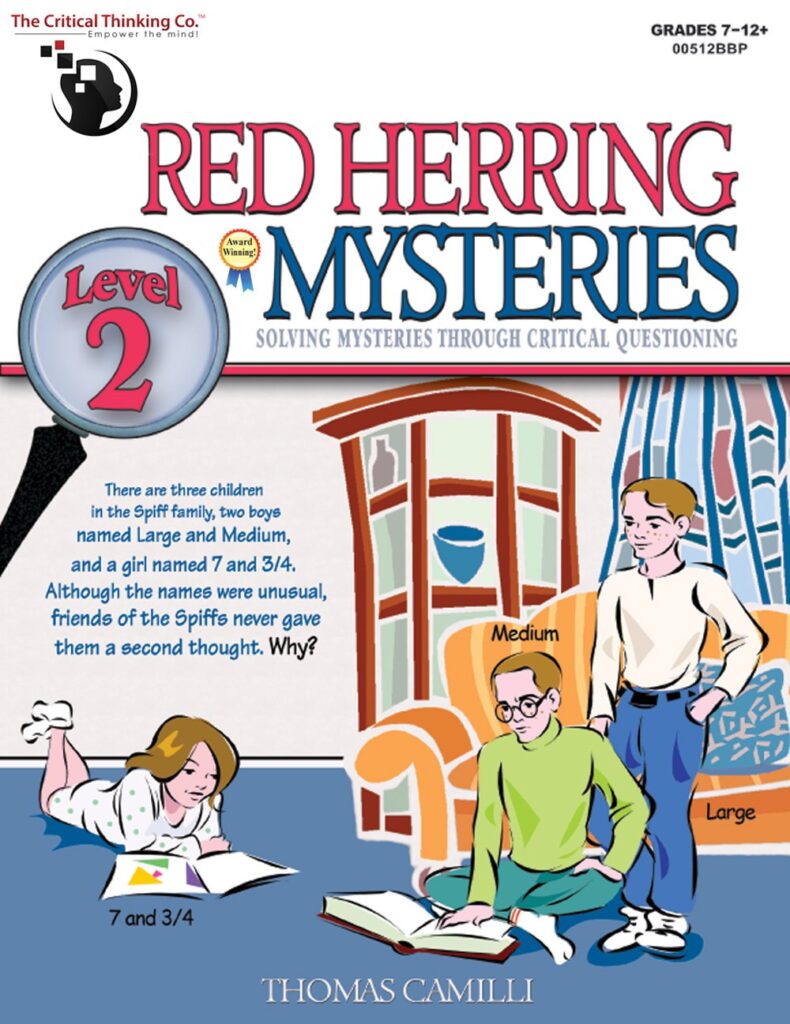
Red Herring Mysteries — Level 2
ISBN 978-1601441638
Optional
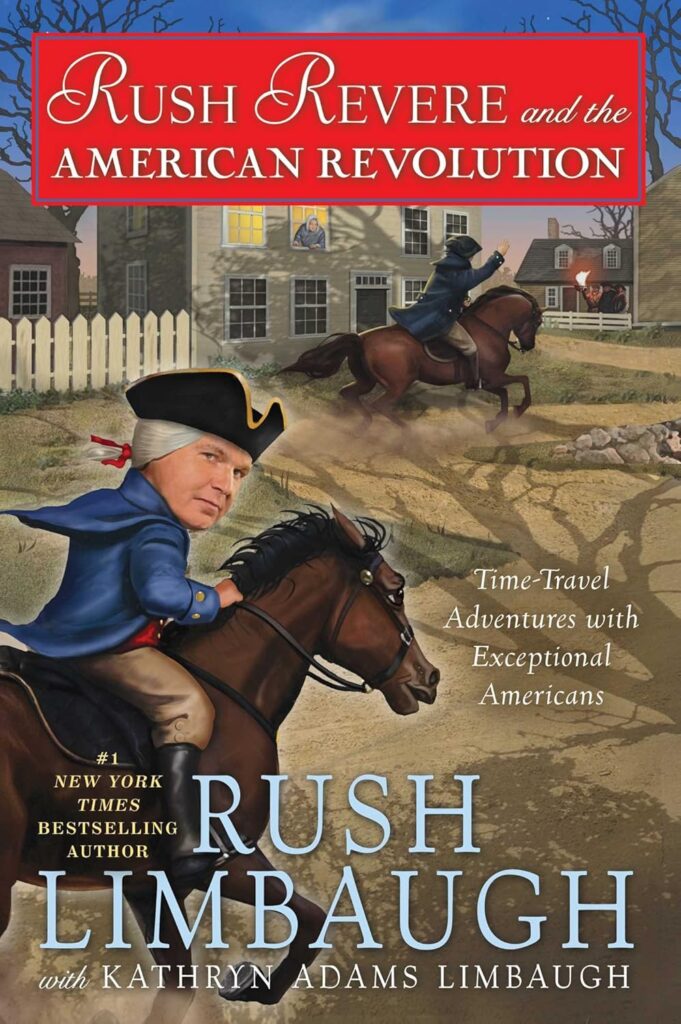
Rush Revere and the American Revolution
ISBN 978-1476789873
Family provides

The Best Christmas Pageant Ever
ISBN 978-0064402750
Family provides
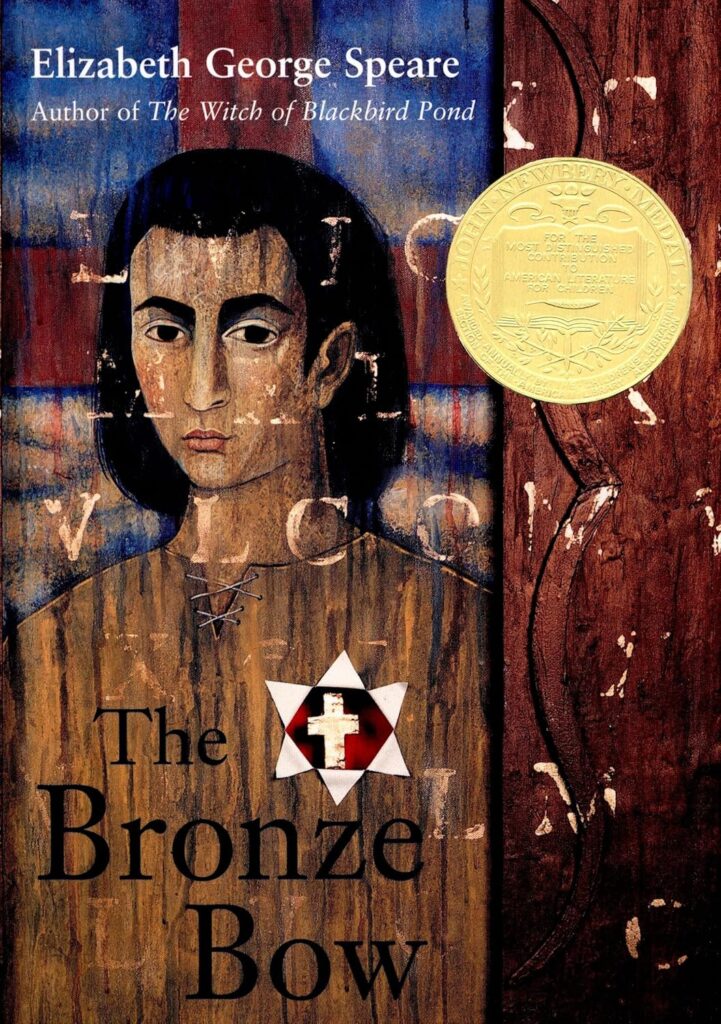
The Bronze Bow
ISBN 978-0395137192
Family provides
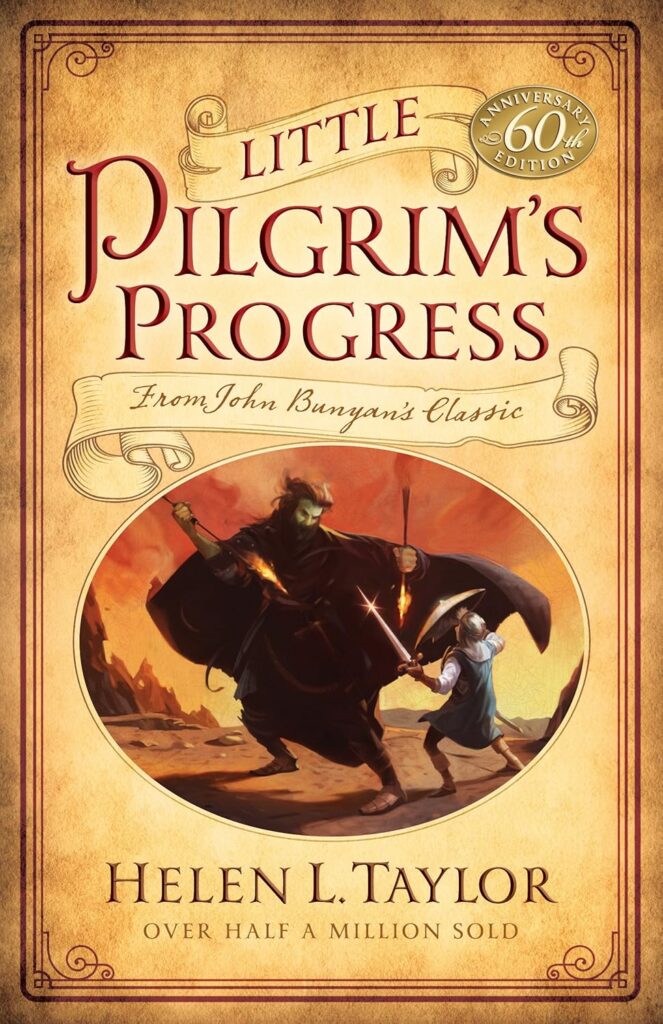
Little Pilgrim’s Progress
ISBN 978-0802447999
Family provides

The Swiss Family Robinson
ISBN 978-0553214031
Family provides
Every subject in the weekly agenda has two parts: the plan for class day, and the work done at home any time that fits your week.
EExpositionWriting and grammar+
ON CLASS DAY
- A grammar focus for the week, like concrete and abstract nouns
- Learn the keyword outline and practice it with a partner
- Write from notes, building toward longer pieces
AT HOME
- Find nouns at home and sort them by the week’s grammar idea
- Retell the practice outline to a parent using only the key words
LLogicEntrepreneur spotlights+
ON CLASS DAY
- Meet a real entrepreneur each week, like the German shoemaker who founded Adidas
- Talk about the problems they solved and what they built
AT HOME
- Re-read the entrepreneur’s story and write three things worth remembering
- Find one more fact from another source and note where it came from
DDebateWorld geography and music+
ON CLASS DAY
- Explore a new world region each week, like Western Europe
- Meet a composer and learn about the orchestra, like Vivaldi and what a conductor does
AT HOME
- Research the week’s region and find a favorite fact about each country
SScienceEarth science+
ON CLASS DAY
- Start the week’s topic, like an introduction to geology: what do we already know?
- Watch a short video as a class and discuss what was new
AT HOME
- Watch the week’s video and jot three to five key words
- Find one more kid-friendly source and write down a fact, with where it came from
Subjects and activities change by week. This is a typical Grammar 3 week. See a full GCE week →
The Dialectic stage begins, where your student learns to build arguments, spot faulty reasoning, write real research papers, and start Latin.